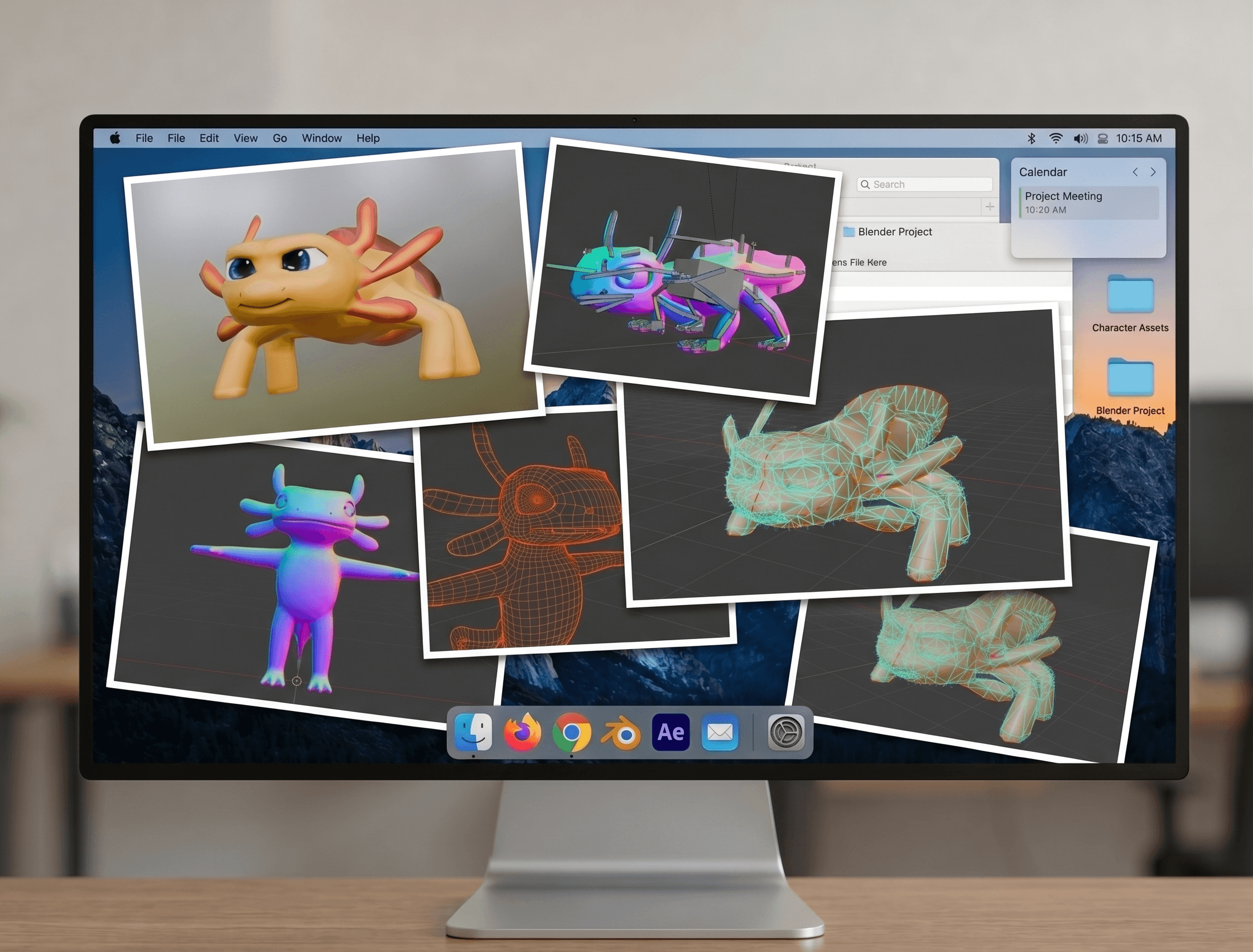
This active, work-in-progress project reimagines Godot’s classic "Your First 3D Game" tutorial by replacing its basic assets with a more complex, fully animated 3D character pipeline. Focused on a custom-designed axolotl character, the project acts as a definitive technical guide to teaching developers how to successfully import, rig, and deploy animated assets inside Xogot.
Serving as both a creative asset overhaul and a comprehensive instructional pipeline, this project bridges the gap between basic game mechanics and professional 3D character integration. The workflow documents the complete development lifecycle of a new mascot—from initial conceptual sketches and anatomy adjustments to final 3D modeling, rigging, and weight painting in Blender. By expanding on the scope of the original tutorial, the project introduces users to more sophisticated animation states and asset management pipelines, providing a clear, step-by-step blueprint for importing production-ready characters directly into the Xogot ecosystem.
Process
How it got made.
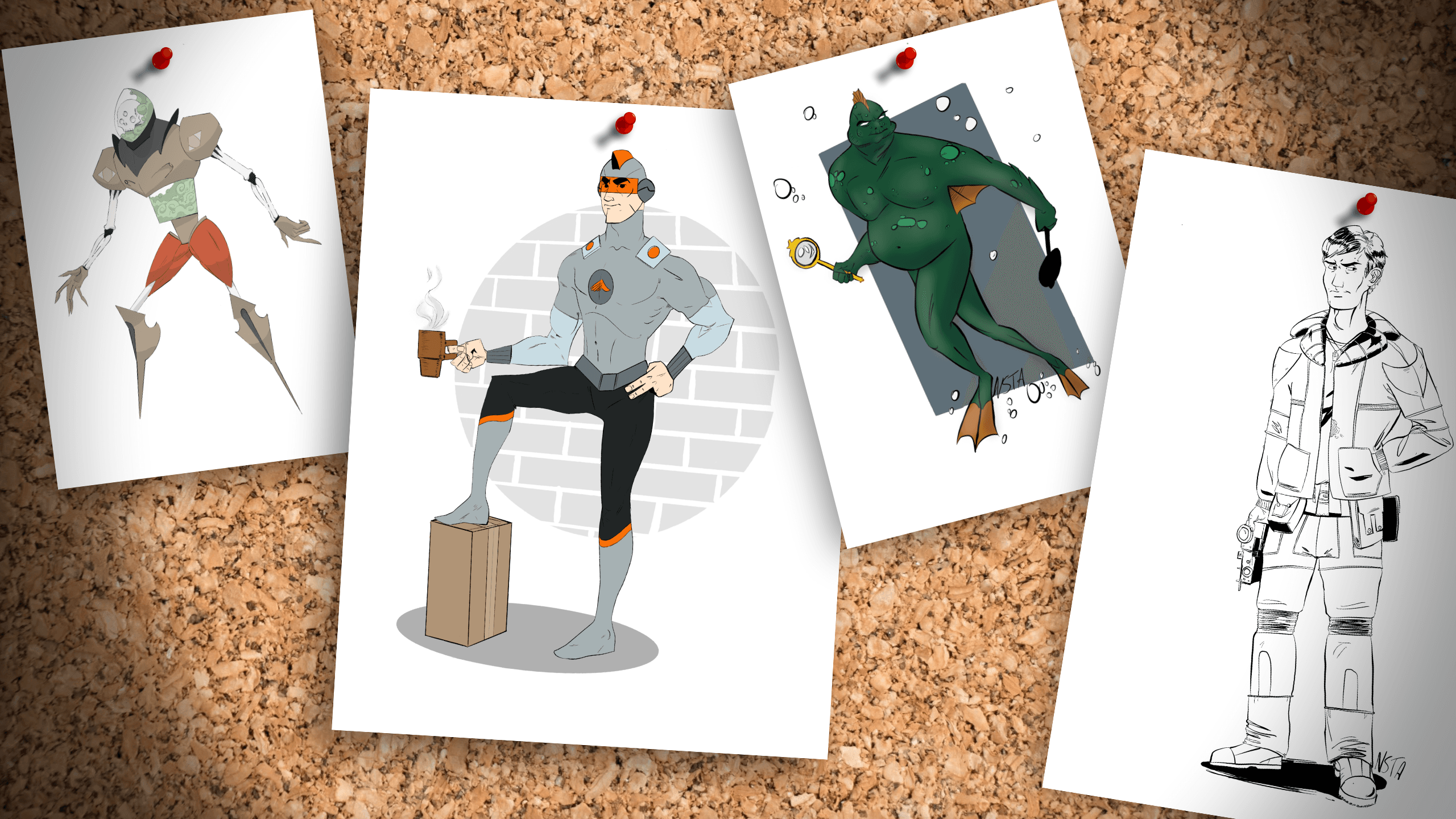
Selected stills for the project, either a in-progress image or a reference.
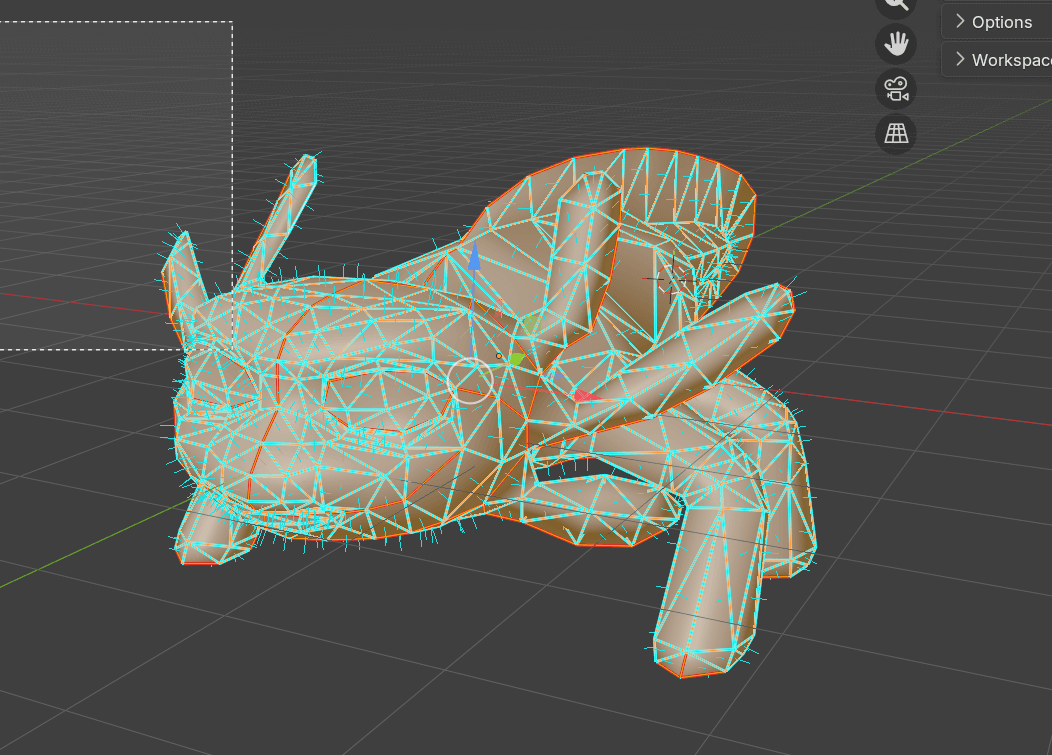
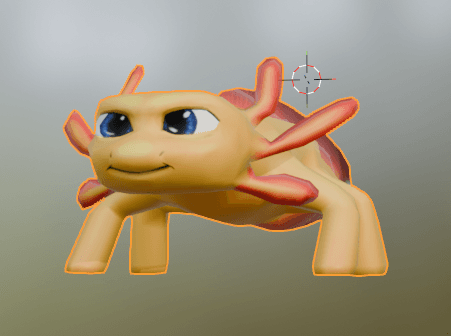
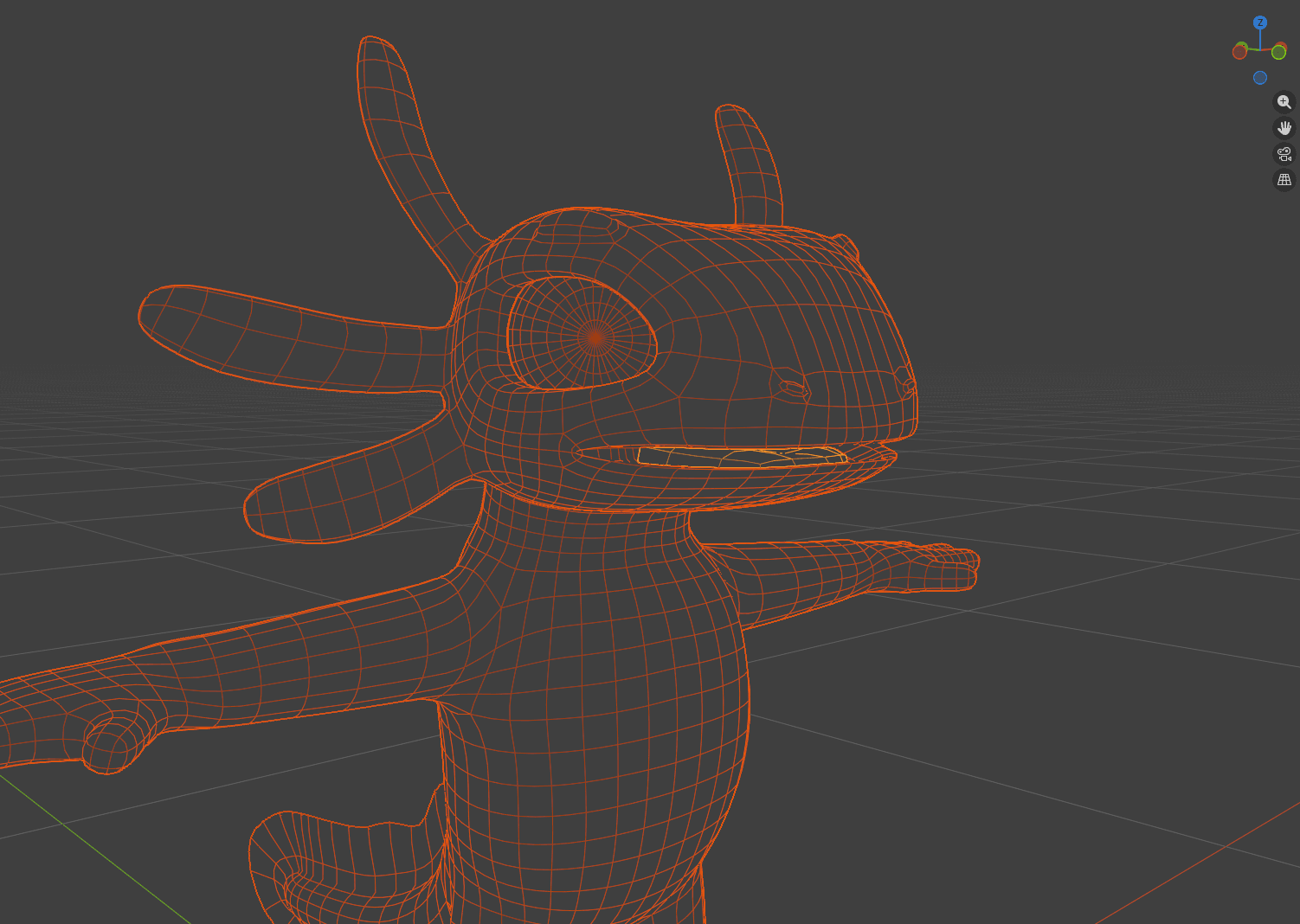
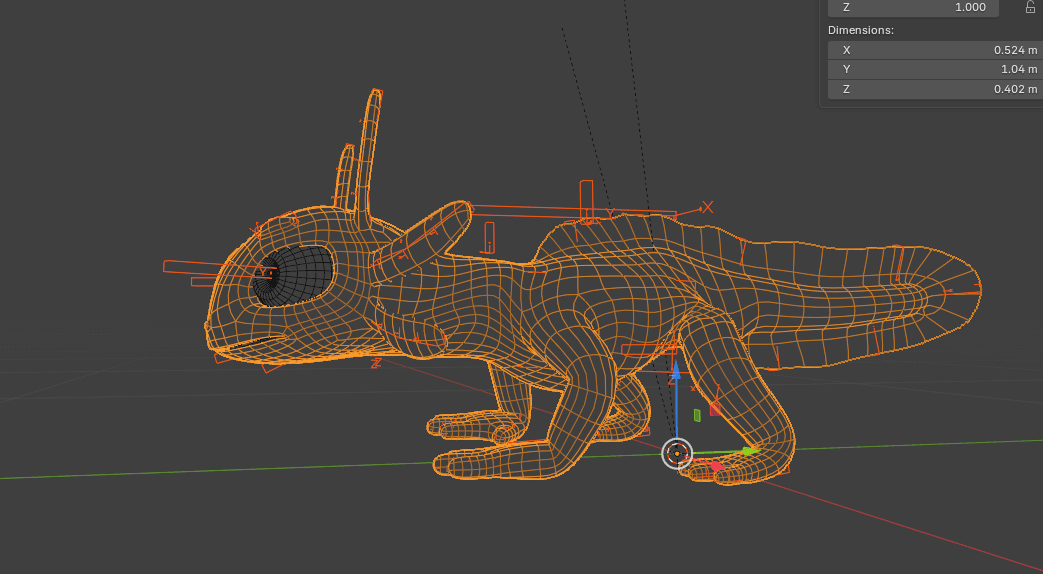
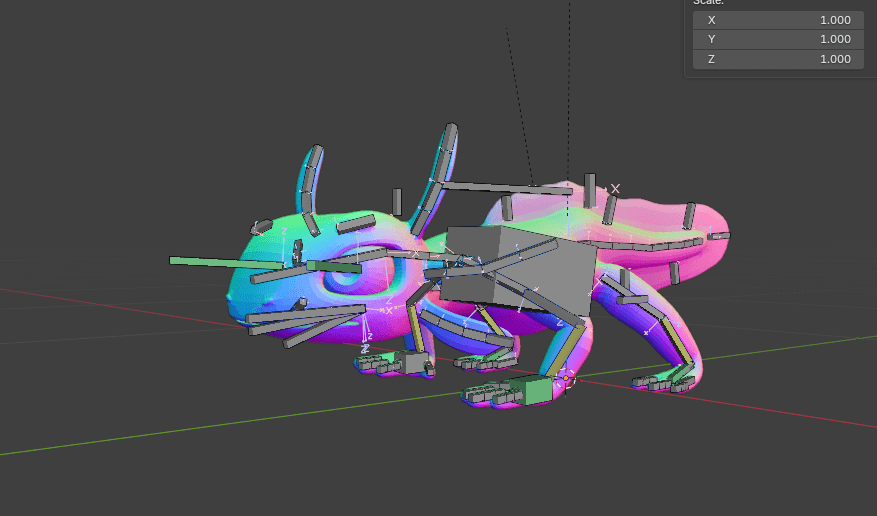
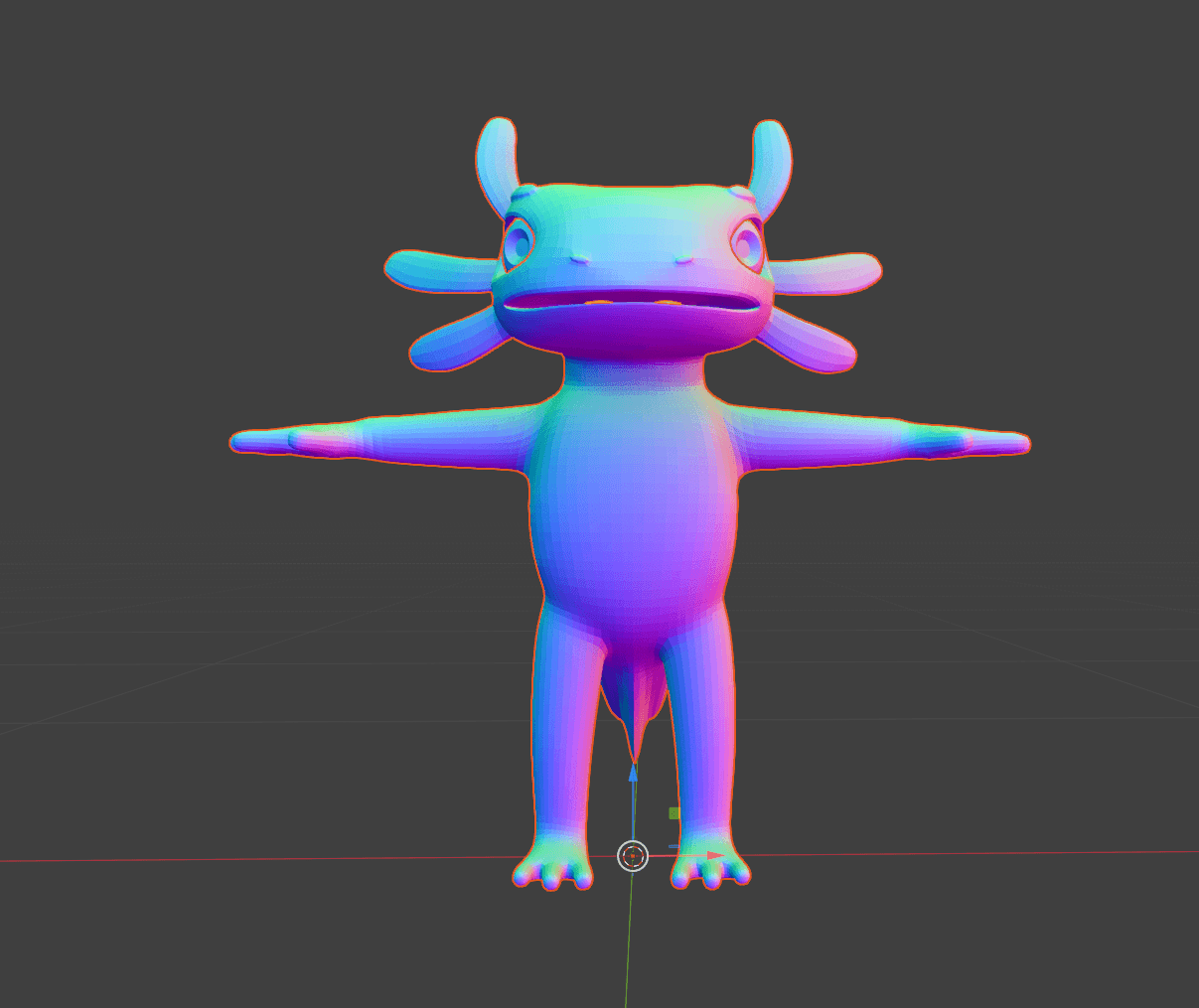
As part of my ongoing work adapting and expanding documentation to support the Xogot platform, this project centers on designing a comprehensive, upcoming tutorial that completely reimagines Godot's foundational "Your First 3D Game" guide. The core objective is to elevate the original material by replacing its simplistic geometry with a complex, fully rigged, and animated character pipeline, teaching developers the practical technical skills required to import and configure their own dynamic assets in Xogot. This initiative is a true passion project for me, one that I dedicate myself to developing entirely in my spare time.
The visual centerpiece of this tutorial is a custom 3D axolotl character, whose development followed a rigorous, iterative design process. My first pass at the model leaned toward a highly simplified anatomy, which I hand-painted in Substance 3D, drawing heavy artistic inspiration from the vibrant, nostalgic aesthetic of Spyro the Dragon on the original PlayStation. However, upon reviewing the initial 3D block-outs, the silhouette read as too bug-like and rigid. To pivot the aesthetic toward something more universally expressive, I executed a second design pass focused on a stylized, Pixar-inspired character aesthetic. This refined direction pulled from my own conceptual sketches and reference imagery, particularly studying the character design of the salamander from Pixar's Hoppers to master the balance between stylized animal anatomy and expressive, friendly facial geometry.
Currently a work in progress, the technical phase of the project involves meticulously setting up the character's bone hierarchy, rigging, and weight painting within Blender to ensure clean mesh deformations during movement. By documenting this entire progression—from asset optimization to final implementation—the resulting tutorial will serve as a vital educational tool, demonstrating how to seamlessly bridge the gap between high-quality 3D animation suites and active runtime environments within Xogot.